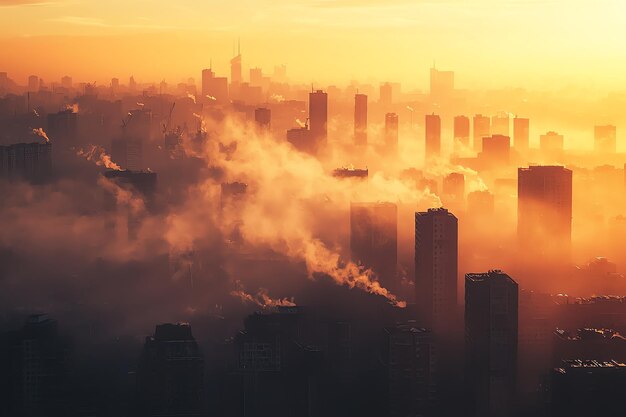
A controlled burn at Fort Gordon is sending smoke across the Augusta area, and residents downwind should prepare for reduced visibility and potential air quality concerns. If you're in the northeast path of the smoke drift, plan outdoor activities accordingly and keep an eye on air quality updates.
Controlled burns are a standard land-management practice used to reduce fuel loads, prevent uncontrolled wildfires, and maintain healthy forest ecosystems. Fort Gordon, like many military installations and public lands in the region, periodically conducts these burns during favorable weather windows. The smoke from such operations can spread well beyond the immediate burn site, affecting air quality across a wider area depending on wind direction and atmospheric conditions.
Northeast of Fort Gordon, residents may notice visible smoke haze and reduced air quality as the plume drifts across Augusta. Smoke can linger in the area, particularly during calm wind conditions or temperature inversions that trap air near the ground. The intensity of smoke and its duration depend on burn size, weather patterns, and atmospheric mixing.
People with respiratory conditions, children, and older adults should be especially cautious during heavy smoke periods. Even those without existing health issues may experience irritation to eyes, throat, and airways when smoke is thick. Indoor air quality can also be affected if smoke seeps into homes and buildings.
If you're sensitive to smoke or prefer to avoid it, check local air quality monitors and forecasts before heading outdoors. Smoke can be worse at ground level during early morning and evening hours, while better ventilation sometimes occurs in the afternoon as the atmosphere mixes more thoroughly.
Outdoor activities like jogging, cycling, or yard work may need to be adjusted or moved indoors. If you do venture outside during smoky conditions, consider whether you need a mask rated for fine particles. Keeping car windows closed while driving through heavy smoke areas can help reduce exposure inside your vehicle.
Military installations manage thousands of acres of land, and prescribed burns are a key tool for maintaining forest health. By removing accumulated dead vegetation and small trees, controlled burns reduce the risk of catastrophic wildfires that would emit far more smoke and cause much greater disruption. These operations are typically scheduled during seasons and weather conditions that favor smoke dispersal and minimize community impact.
Smoke from controlled burns is different from wildfire smoke in one key way: the burn is planned, predictable, and usually of shorter duration. Forecasters monitor wind patterns and atmospheric conditions to time burns when smoke will disperse most effectively rather than stall over populated areas.
Stay informed by checking local air quality indices as the burn progresses. Keep windows and doors closed if smoke becomes heavy, and use air conditioning set to recirculate mode to filter incoming outdoor air. If you have asthma, allergies, or heart or lung disease, consult your doctor about extra precautions during smoky periods.
For those northeast of Fort Gordon, the smoke plume should shift as wind patterns change. Keep track of forecasts to know when cleaner air returns to the Augusta area. Controlled burns are temporary disruptions to air quality, not long-term events, but it's wise to plan around them while the smoke is active.